2026 Best Types of Freeze Dried Pet Treats

Time:2026-09-26 Author:Mason
0%

Freeze Dried Pet Treats are moving from specialty shelves into everyday pet-care routines. Their appeal is easy to see: a light, crisp piece of chicken or salmon fits neatly into a training pouch, and many products list a short ingredient panel. But “simple” does not automatically mean complete, safe for every pet, or nutritionally balanced. Labels deserve a close read.

The American Pet Products Association’s 2025 State of the Industry report estimated U.S. pet-industry spending at $152 billion in 2024 and projected $157 billion for 2025. Those figures cover the wider pet market, not freeze-dried treats alone. Still, they show why shoppers face more choices—and why clear product information matters. Look for named animal proteins, feeding directions, calorie details, and storage guidance. A crunchy cube can look tiny and still add meaningful calories.

Veterinary nutritionist Dr. Lisa M. Freeman of Tufts University advises that “treats should make up no more than 10% of your pet’s daily calories.” That guidance applies to treats generally, including freeze-dried options; it is not a claim that every product has the same nutritional value. This guide compares common types, from single-protein bites to mixed-ingredient morsels, and highlights practical differences in texture, ingredients, and use. Small details matter. Some pets have allergies, dental concerns, or sensitive stomachs. And, honestly, the best choice is not always the trendiest bag—it is the one that suits your animal and can be fed responsibly.
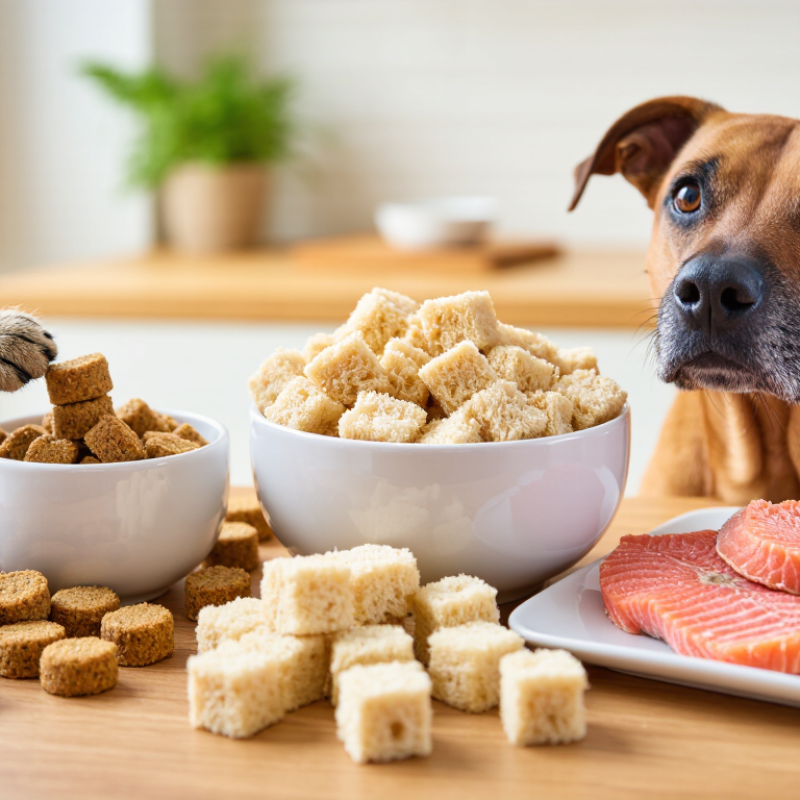
2026 Best Types of Freeze Dried Pet Treats

Core Forms and Ingredients in Freeze-Dried Pet Treats

2026 Best Types of Freeze-Dried Pet Treats

Core Forms and Ingredients in Freeze-Dried Pet Treats

Freeze-dried pet treats come in several useful forms: cubes, flakes, strips, bites, and powder. Cubes suit training because portions are easy to count. Flakes work well for small pets or sensitive mouths. Powder can add flavor to meals, but it may quietly increase daily calories. Texture matters more than many owners expect. A crunchy cube may suit an active dog, while a soft crumble may help an older cat.

Ingredient quality deserves closer attention. Look for clearly named proteins, such as chicken, turkey, beef, salmon, or rabbit. Single-protein recipes can make food reactions easier to monitor. Organ ingredients may provide concentrated nutrients, but large amounts are not automatically better. Fruits and vegetables can add variety, although they should not replace species-appropriate protein. Avoid vague terms and check the guaranteed analysis, calorie information, lot number, and storage instructions. Freeze-drying removes moisture, not every possible microorganism.

Tips: Wash your hands after handling treats. Store opened packs in a cool, dry place. Break large pieces into smaller rewards. Introduce one new ingredient at a time. Watch for vomiting, diarrhea, itching, or unusual tiredness, and contact a veterinarian if signs continue.

A common mistake is treating “natural” as a complete safety guarantee. It is not. I also find portion estimates surprisingly unreliable, especially with lightweight flakes. Weighing treats occasionally gives a more honest picture. Product testing and careful observation still matter, because every pet responds differently.

Meat-Based Freeze-Dried Treat Types

2026 Best Types of Freeze-Dried Pet Treats
Meat-Based Freeze-Dried Treat Types

Meat-based freeze-dried treats are popular because they preserve a strong aroma without adding much water. Chicken, turkey, beef, lamb, and rabbit offer different flavors and textures. Fish varieties may provide natural oils, but their smell can be intense indoors. Single-protein treats are useful when owners monitor possible food sensitivities. They also make ingredient labels easier to understand.

Look for named meat as the first ingredient and a short, readable ingredient list. Muscle meat gives a firm, crisp bite after drying. Liver and other organs add richness, but excessive amounts may make treats unbalanced. I prefer small pieces for training because calories accumulate quickly. A few crumbs can reward a small dog without filling its stomach.

Check the package for handling directions, batch information, and an expiration date. Freeze-drying reduces moisture, but it does not remove every food-safety concern. Wash hands after handling and keep treats dry. Seek veterinary advice before offering them to pets with dietary restrictions. It is easy to assume every dog loves crunchy meat. That assumption can fail. Some prefer softened pieces, while others reject strong liver flavors. Start with one protein and observe appetite, stool, and energy for several days. Stop if anything seems unusual.

Organ, Fish, and Novel-Protein Treat Types

2026 Best Types of Freeze Dried Pet Treats

Organ, fish, and novel-protein treats offer different nutritional benefits for dogs and cats. Organ treats, such as liver or heart, provide concentrated nutrients and strong flavor. They should remain small rewards, not meal replacements. Too much liver may disturb dietary balance.

Fish treats can add protein and marine omega-3 fatty acids. Choose products with clear species information and careful quality control. Tiny flakes work well during training. Novel proteins, including rabbit, venison, or selected insects, may help pets with suspected food sensitivities. However, “novel” depends on the animal’s previous diet. A protein is not automatically suitable.

Tips: Introduce one treat type at a time. Start with a pea-sized piece. Watch for itching, vomiting, loose stools, or ear irritation. Rehydrate treats only when needed, and provide clean water afterward. Store opened packages in a cool, dry place. Follow the package guidance carefully.

A veterinary professional can help pets with allergies, kidney disease, or weight concerns. I once underestimated how quickly rich organ treats add calories. That small mistake changed my feeding routine. Keep treats below ten percent of daily calories, and check the main diet remains complete and balanced.

2026 Best Types of Freeze Dried Pet Treats - Organ, Fish, and Novel-Protein Treat Types

Treat Type Common Ingredients Typical Characteristics What to Check Practical Feeding Notes
Organ Beef, chicken, or lamb liver; heart; kidney Usually aromatic and nutrient-dense. Liver naturally contains vitamin A and copper; nutrient levels vary by species and serving. Review the ingredient list and treat calories. Avoid feeding large amounts of liver regularly unless advised by a veterinarian. Break larger pieces into small rewards. Treats should complement—not replace—a complete and balanced diet.
Fish Salmon, whitefish, cod, or sardine Often has a strong aroma and a crisp or crumbly texture. Fat and omega-3 content differ considerably by fish species and product. Check the fish species, calorie information, and whether the product contains added salt or other ingredients. Use small portions, especially for pets on calorie-controlled diets. Store as directed to limit moisture exposure and odor.
Novel Protein Rabbit, venison, duck, or quail Can offer a less familiar animal protein, depending on the pet’s previous diet. “Novel” does not automatically mean hypoallergenic. Look for a clearly stated protein source and check for mixed proteins or cross-contact information if your pet is on an elimination diet. For suspected food allergy, ask a veterinarian before choosing treats; even small additions can interfere with a strict diet trial.
Single-Ingredient Pieces One listed animal ingredient, such as liver, salmon, or rabbit A simple ingredient list can make the protein source easier to identify, but it does not establish that a treat is suitable for every pet. Read the full label, including feeding guidance, storage instructions, calories, and any safety or handling directions. Introduce a new treat gradually and supervise pets while eating, particularly when pieces are large or hard.

Feeding and safety note: Freeze-dried treats are generally intended for supplemental feeding, not as a complete and balanced diet unless the label specifically says otherwise. Follow the package directions, wash hands after handling, and consult a veterinarian about your pet’s individual dietary needs.

Single-Ingredient and Mixed-Recipe Formats

Single-ingredient freeze-dried treats contain one main animal or plant ingredient, such as chicken breast or salmon. Their short ingredient lists make them easier to compare and may help when a pet has known food sensitivities. Check the package carefully: “single ingredient” should match the actual ingredient list. Simple can be useful. It does not automatically mean suitable for every pet.

Mixed-recipe treats combine ingredients, perhaps turkey with pumpkin or fish with small amounts of organ meat. They can offer varied aromas and textures; a crisp piece may break into flakes over a food bowl. But extra ingredients make label-reading more important. Look for clear ingredient names, and check calories and feeding guidance. A richer blend is not necessarily more nutritious.

Choosing between formats depends on your pet’s needs, not just the recipe’s appeal. Introduce any new treat gradually, and watch for changes in digestion or skin. If your pet has allergies, a medical condition, or a restricted diet, ask a veterinarian before trying unfamiliar ingredients. One detail is easy to miss: freeze-dried treats are often calorie-dense, despite their light feel. They should complement a balanced diet, not replace it. Ingredient labels can still be confusing, so compare packages with care.

Choosing Treat Types for Pet Needs and Safe Feeding

Freeze-dried pet treats come in several useful forms: single-ingredient meat or fish, organ pieces, and small mixed-protein bites. Choose a type that suits your pet’s age, size, and chewing ability. A tiny, crumbly piece may work better for a small dog, while a cat may prefer a strong-smelling meat morsel. Hard chunks can be awkward for pets with dental problems. I can see how appealing a simple ingredient list is, but it does not tell the whole story. Check calories, allergens, and whether the treat is suitable for your pet’s species.

Tips: Break large pieces into smaller bites, and supervise feeding. Freeze-drying does not necessarily eliminate harmful microbes, so check the maker’s processing and safe-handling instructions. Wash your hands after handling.

Treats should complement—not replace—a complete, balanced diet. Many veterinary nutrition resources recommend keeping treats below 10% of daily calories; ask your veterinarian for individual guidance, especially if your pet has a medical condition or needs a restricted diet. If your pet gulps dry pieces, consider softening them with water, then serve promptly and discard leftovers. Introduce one new treat at a time. Watch for itching, vomiting, or loose stool, and stop feeding it if a reaction appears. One detail is easy to miss: a treat labeled “natural” may still be too rich for a sensitive stomach.

FAQS

Which forms of freeze-dried pet treats are easiest to use?

Cubes are easy to count during training. Flakes suit small pets and sensitive mouths. Powder can flavor meals, but calories add up quietly.

What ingredients should I look for?

Choose clearly named proteins, such as chicken, salmon, beef, turkey, or rabbit. Single-protein treats can make food reactions easier to monitor. Vague ingredient names deserve caution.

Are organ-based treats automatically healthier?

No. Organ pieces may contain concentrated nutrients, but more is not always better. Use small portions and check the complete ingredient information.

How should treats fit into my pet’s daily diet?

Treats should complement a complete, balanced diet. Many veterinary resources suggest keeping them below 10% of daily calories. Individual needs can differ.

What treat texture suits pets with chewing problems?

Avoid hard chunks for pets with dental discomfort. Break large pieces into smaller bites. Softening dry pieces with water may help. Serve promptly afterward.

Can freeze-drying remove all harmful microorganisms?

Not necessarily. Freeze-drying removes moisture, but it may not eliminate every microorganism. Follow safe-handling instructions and wash your hands after serving.

How should I store opened treats?

Keep opened packs in a cool, dry place. Close the package carefully. Discard softened leftovers that remain after adding water.

How can I introduce a new treat safely?

Introduce one new ingredient at a time. Watch for itching, vomiting, diarrhea, or unusual tiredness. Stop feeding it if a reaction appears.

Is a “natural” label enough to prove safety?

No. Natural does not guarantee gentle digestion or suitable calories. A sensitive stomach may react badly. Labels help, but observation matters too.

How can I measure portions more accurately?

Lightweight flakes can make portion estimates unreliable. Weigh treats occasionally for a clearer calorie picture. I may underestimate them by eye.

Conclusion

Freeze Dried Pet Treats come in a range of forms, from familiar cuts of chicken, beef, and turkey to organ meats, fish, and less common protein sources. Some treats contain just one ingredient, making their contents straightforward to identify, while mixed recipes combine different meats or other pet-friendly ingredients for variety. The freeze-drying process removes moisture while preserving the treat’s recognizable ingredients and texture.

Choosing a suitable type depends on your pet’s preferences, dietary needs, and any known sensitivities. Introduce unfamiliar proteins gradually, check ingredient labels, and select treats appropriate for your pet’s size and life stage. Treats should complement a balanced diet rather than replace regular meals. Follow feeding guidance on the package, provide fresh water, and supervise your pet while it eats, especially when offering a new texture or larger pieces.


Mason

Mason

Mason is a seasoned marketing professional with a deep expertise in the company's offerings and a passion for driving brand awareness. With a strong background in digital marketing strategies, he has an innate ability to connect with diverse audiences and effectively communicate product benefits.......