The demand for Freeze Dried Beef Bulk is increasing globally. This trend reflects a shift towards convenient and long-lasting protein sources. Many consumers seek high-quality beef that can be stored for extended periods without compromising flavor or nutrition.
In 2026, buyers will have a plethora of options. Understanding the nuances of various suppliers is essential. Sourcing reliable freeze-dried beef can be challenging. Producers must maintain quality standards and adhere to regulations. Trust becomes vital in this market.
Some brands may not meet expectations, leading to disappointment. Buyers often wrestle with choices. It’s crucial to delve into product reviews and supplier credentials. Transparency in sourcing is paramount. This report aims to highlight the best options available, ensuring buyers make informed decisions.
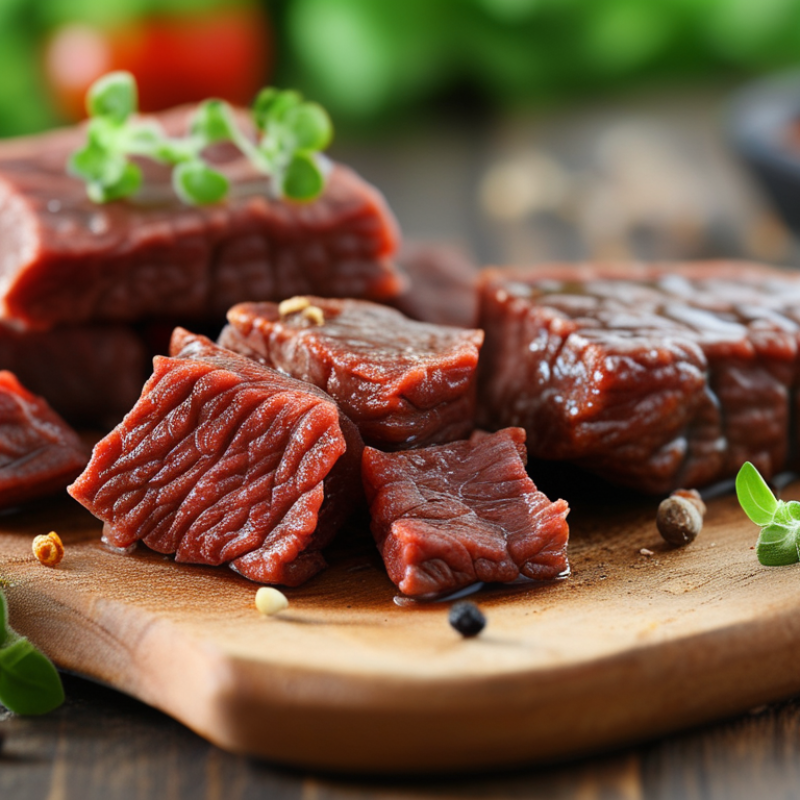
Freeze-dried beef has gained significant traction among consumers seeking nutritious and lightweight food options. This method preserves the flavor and nutrients, making it ideal for camping or emergency supplies. Many brands are expanding their offerings, and the range can be overwhelming. Prospective buyers should assess several factors before choosing.
One crucial aspect is the sourcing of the beef. High-quality meat should come from reputable farms. The texture and taste can greatly differ depending on how the beef is processed. Consumers might find that variations in cooking methods also play a role. Rehydration can sometimes yield unexpected results, affecting a meal's overall quality.
Label transparency is another vital consideration. Brands should provide clear information regarding ingredients and nutritional value. Shoppers will benefit from comparing protein content, sodium levels, and additives. Sometimes, less popular brands provide better value and flavor. It emphasizes the importance of consumer preference in selecting freeze-dried beef products.
The global market for freeze dried beef is evolving rapidly. Recent data shows a significant increase in demand across various regions. More consumers are looking for convenient and long-lasting protein sources. Freeze dried beef offers unique benefits, such as extended shelf life and lightweight packaging. These factors drive its popularity among adventurers and emergency preparedness enthusiasts.
Market trends indicate a shift towards healthier eating. Consumers are more mindful about their food choices. They prefer products that align with their dietary needs. Freeze dried beef is often regarded as a wholesome alternative. However, its higher price point can be a barrier for some buyers. This pricing strategy may require reflection on competitive positioning.
Another aspect to consider is the environmental impact of freeze dried beef. While it reduces food waste, sourcing practices vary. Sustainable sourcing is essential to meet consumer expectations. Buyers are increasingly asking for transparency in production methods. This can lead to a more informed purchasing decision, ultimately shaping the market dynamic. Balancing pricing, sustainability, and quality will be crucial for suppliers aiming to thrive.
Freeze dried beef is gaining popularity among health-conscious consumers. This method of preserving meat retains much of its nutritional profile. According to the U.S. Department of Agriculture (USDA), freeze-dried beef can maintain up to 97% of its original nutrients. This includes essential proteins, vitamins, and minerals, making it a viable option for many diets.
One significant advantage of freeze-dried beef is its lightweight, which makes it ideal for outdoor activities. This makes it convenient for hiking and camping. However, not all freeze-dried products are created equal. Consumers should check the ingredient list to avoid additives or preservatives that may detract from the health benefits.
For those looking to incorporate freeze-dried beef into their diets, cooking methods matter. Rehydrating through slow cooking can enhance flavor and texture. Research shows that the rehydration process can mimic the taste and juiciness of freshly cooked beef. Experimenting with different seasonings can elevate meals as well.
In the context of nutrition, incorporating freeze-dried beef can help maintain muscle mass and support a balanced diet. However, it is essential to balance protein sources continuously. Finding ways to diversify nutrition can prevent dietary monotony. It's good to ensure a mix of proteins in your meals.
The global demand for freeze-dried beef is increasing significantly. This trend is driven by the growing need for long-lasting food options. The supply chain for freeze-dried beef can be complex. Sourcing high-quality products requires careful planning and reliable partnerships.
When sourcing freeze-dried beef, companies must consider several factors. Quality control is crucial. Every step, from the farm to the final product, should be monitored. This ensures that the beef meets safety and nutritional standards. Transparency in the supply chain builds trust. It also minimizes risks associated with sourcing from unknown suppliers. An established network of producers can make a big difference.
Challenges do exist in this market. Fluctuations in beef prices can affect the entire supply chain. Additionally, regulatory issues vary by region. Buyers need to stay informed about local laws. While sourcing freeze-dried beef presents unique obstacles, the right strategy can lead to successful outcomes. Fostering strong relationships with suppliers is key. This approach promotes reliability and boosts overall supply chain efficiency.
In recent years, consumer preferences for freeze-dried beef have evolved significantly. A report by the Freeze-Dried Food Association states that around 30% of consumers now prefer freeze-dried products over traditional options. This shift is driven by the growing desire for convenience and shelf-stability. Freeze-drying preserves the flavor and nutritional value, making it a popular choice for outdoor enthusiasts and busy families alike.
Quality indicators are paramount for buyers. A study from Food Quality and Preference notes that texture and rehydration time are critical factors affecting consumer satisfaction. More than 40% of respondents stated that the mouthfeel of the beef significantly influences their buying decisions. However, not all freeze-dried beef products meet these standards. Some options can lack robust flavor or proper rehydration, leading to dissatisfaction.
The price is another consideration. A survey revealed that nearly 45% of consumers are willing to pay a premium for high-quality freeze-dried beef. Yet, quality does not always equate to higher prices. Consumers must carefully evaluate ingredients and sourcing practices to find the best value. As preferences evolve, the market must adapt, aligning product offerings with these changing consumer desires.
| Product Type | Protein Content (g/100g) | Rehydration Ratio | Packaging Size (kg) | Price per kg ($) | Consumer Rating (out of 5) |
|---|---|---|---|---|---|
| Ground Beef | 30 | 1:5 | 1 | 45 | 4.5 |
| Steak Strips | 28 | 1:4 | 0.5 | 50 | 4.7 |
| Beef Cubes | 32 | 1:6 | 2 | 40 | 4.8 |
| Beef Shredded Meat | 29 | 1:5.5 | 1.5 | 48 | 4.6 |
| Beef Jerky | 33 | 1:4.5 | 0.3 | 55 | 4.9 |
: Freeze-dried beef is meat that has undergone a preservation process. This process removes moisture, retaining flavor and nutrients.
High-quality beef from reputable farms affects texture and taste. Poor sourcing can lead to disappointment in flavor.
Different cooking methods can yield varying results. Rehydration techniques may produce unexpected textures or flavors.
Labels should include clear ingredient lists and nutritional values. Pay attention to protein content and sodium levels.
Some lesser-known brands offer better flavor and value. Exploring these options can lead to pleasant surprises.
Increased demand for convenient, long-lasting protein is a key driver. Consumers are seeking nutritious and portable food options.
It reduces food waste but varies in sourcing practices. Sustainable sourcing is essential for eco-conscious consumers.
The higher price point can deter some buyers. Reflecting on budget versus needs may help with decision-making.
Shoppers are increasingly mindful of food choices. Their demands for quality and transparency influence market offerings.
Balancing pricing, sustainability, and quality is essential. Suppliers must meet changing consumer expectations to thrive.
The article titled "2026 Best Freeze Dried Beef Bulk for Global Buyers" offers a comprehensive analysis of the freeze dried beef market, focusing on trends, nutritional benefits, supply chain dynamics, and consumer preferences. It highlights the increasing global demand for freeze dried beef bulk, underscoring the sector's growth potential. Insights into market trends reveal how consumer health consciousness is driving the popularity of freeze dried options, as these products retain essential nutrients while providing convenience.
Additionally, the article delves into the complexities of sourcing freeze dried beef for international markets, emphasizing the importance of understanding supply chain dynamics. By evaluating consumer preferences, the article guides global buyers in selecting the best freeze dried beef bulk products that not only meet quality standards but also align with health-oriented consumer demands. This thorough exploration serves as a valuable resource for those looking to navigate the evolving landscape of freeze dried beef.

GAGA