2026 Best Freeze Dried Fish Bulk Suppliers Worldwide

Time:2026-11-16 Author:Liam
0%

Freeze-dried fish offers a practical way to store lightweight seafood without refrigeration before rehydration. For food manufacturers, distributors, and specialty retailers, buying Freeze Dried Fish Bulk can reduce shipping weight and simplify inventory planning. But product quality is not defined by convenience alone. Species, cut size, moisture level, packaging, and intended use all affect whether a lot suits a particular operation.

This 2026 guide explores suppliers serving buyers in different regions and outlines what to examine before requesting a quote. Look for clear product specifications, representative samples, lot traceability, and packaging that protects fish from moisture and damage. Ask how the supplier handles quality checks, storage, shipping, and changes between production batches. A useful conversation should include practical details, not just a low price. Small details matter.

Supplier comparisons can be imperfect. Public information may be incomplete, and a product that works well for one recipe may not suit another. Buyers should confirm current specifications and assess samples against their own needs before placing a large order. There is no universal best choice. The right partner is one that communicates clearly, provides consistent documentation, and can support the required volume and delivery schedule. A careful comparison can help narrow the field, though the final decision still depends on the product in your hands.
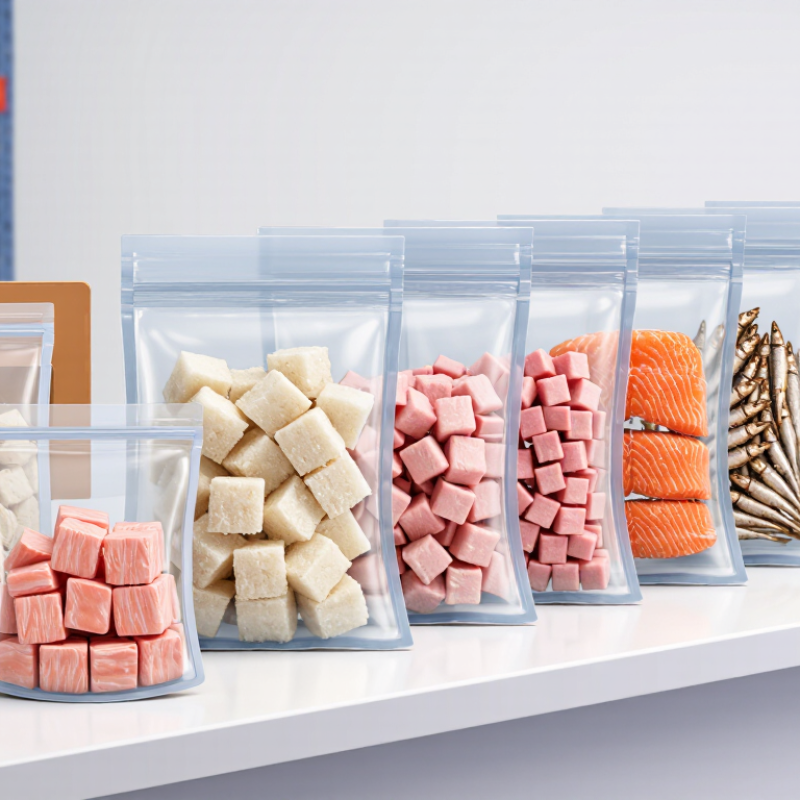
2026 Best Freeze Dried Fish Bulk Suppliers Worldwide

What Freeze-Dried Fish Is and How Bulk Supply Works

Freeze-dried fish is fish with most of its water removed under low-temperature vacuum conditions. The pieces become light, crisp, and shelf-stable when properly processed and sealed. They still need protection from moisture. A torn liner can soften the product before a shipment reaches its destination.

Bulk supply usually starts with the species, cut, and intended use. Buyers may request whole fish, flakes, or uniform cubes, with defined moisture and protein specifications. The supplier should provide batch records and test results, including checks for moisture, microbial quality, and foreign material. Ask how samples are stored and how production lots are traced. Paperwork matters.

Orders are then packed in moisture-barrier liners, often inside cartons or larger food-grade containers. Buyers should confirm net weight, packaging size, lead time, and shipping conditions before approving a purchase. A sample from one lot may not represent every later lot, so written tolerances help. This part gets overlooked. Bulk pricing can look attractive, yet inconsistent cut size may cause waste during blending or portioning. Clear specifications make comparisons more useful, even when suppliers use different terms.

Key Standards for Evaluating Worldwide Fish Suppliers

2026 Best Freeze Dried Fish Bulk Suppliers Worldwide
Key Standards for Evaluating Worldwide Fish Suppliers

When evaluating bulk suppliers, check traceability, food safety controls, and batch consistency—not price alone. FAO’s 2024 State of World Fisheries and Aquaculture reports global fisheries and aquaculture production of 223.2 million tonnes in 2022, including 185.4 million tonnes of aquatic animals. Large supply chains need careful oversight. Request the species, harvest area, production date, and lot code, then confirm these details match shipment records.

Paperwork matters.

Ask for a documented food safety plan, such as HACCP-based controls, and verify any claimed certification with its issuing body. Review batch-specific test results for moisture, water activity, and relevant microbiological hazards. Freeze-drying removes water; it does not guarantee sterility. Check that packaging protects against moisture and oxygen, and request shelf-life evidence under stated storage conditions. FAO also estimated that 62.3% of assessed marine fish stocks were fished within biologically sustainable levels in 2021. This is useful context, but it cannot confirm the sourcing of an individual lot.

Tips: Request a sample from the same production run. Compare its color, odor, and piece size with the specification. Ask how complaints and recalls are recorded. A polished certificate is not the whole story. Insist on records you can verify—and allow time for independent testing.

Major Global Regions for Freeze-Dried Fish Production

Major production regions follow two maps: where fish are landed and where processing facilities can maintain consistent quality. Norway, Iceland, and other North Atlantic areas offer access to cod, haddock, and cold-water fisheries. Catch sizes and species availability vary by season. A nearby landing port does not guarantee local freeze-drying capacity.

East Asia has established seafood-processing infrastructure and experience with dried products. China, Japan, and South Korea are relevant sourcing regions, though capabilities differ between facilities. Southeast Asian producers may offer access to tropical fish and established export-processing networks. Some suppliers process fish far from where it was caught. That distinction matters. North American and South American suppliers can also serve particular species or markets, but buyers should check actual plant capacity rather than infer it from a country’s fishing reputation.

Tips: Ask for the species’ scientific name, harvest area, processing location, and recent batch test results. Compare moisture levels, piece size, packaging, and traceability records. Small samples help. Freeze-dried fish can look similar while differing in texture and rehydration. Supplier documents are useful, but they do not replace a product evaluation.

How to Compare Bulk Suppliers, Products, and Certifications

For bulk buyers comparing freeze-dried fish suppliers worldwide, start with a clear product specification. Confirm the fish species, cut size, ingredient list, moisture range, and packaging format. Ask for a recent certificate of analysis and a sample from the same product grade you plan to order. A sample can reveal uneven pieces, strong odors, or excess dust. Small details matter.

Tips: Compare quoted prices on the same weight and specification basis. Check whether certificates are current and cover the actual production site and product. Request lot traceability and ask how complaints or rejected batches are handled.

A supplier’s documents should be specific and verifiable, not just a collection of logos. Review relevant food-safety certifications, audit dates, and certificate scope; requirements can differ by buyer and destination. Ask about testing methods for moisture and microbiological quality, and how results are recorded. A low quote may exclude testing, shipping protection, or consistent grading. That matters. No checklist catches every issue, so keep written records of samples, specifications, and agreed tolerances. Suppliers may not answer every question perfectly; note unclear responses and resolve them before placing a large order.

Steps for Verifying and Purchasing from a Supplier in 2026

2026 Best Freeze Dried Fish Bulk Suppliers Worldwide

Steps for Verifying and Purchasing from a Supplier in 2026

Begin with documents, not a price sheet. The FAO’s The State of World Fisheries and Aquaculture 2024 reports that global aquatic animal production reached 185.4 million tonnes in 2022. That scale makes traceability essential. Ask each supplier for the fish species, harvest or farming origin, processing location, and lot-level records. Request a recent food-safety audit, hazard-control documentation, and certificates of analysis for moisture, water activity, microbiological hazards, and relevant contaminants. Codex’s Code of Practice for Fish and Fishery Products offers a useful technical reference for assessing handling controls. Ask for records. Then verify that the lot numbers match across documents.

Test a sample before placing a large order. Check whether pieces are brittle or leathery, inspect for uneven color, and compare the aroma after opening. Request packaging specifications, storage conditions, and shelf-life evidence for the exact product—not just a similar item. Numbers matter. Confirm minimum order quantities, lead times, and how the supplier handles rejected batches in writing. I would not treat one clean certificate as proof; documents may be outdated, and I have to admit that a polished sample can still hide batch variation. A small trial order gives your team a chance to test rehydration, breakage, and consistency before committing to bulk purchasing.

FAQS

Which regions produce freeze-dried fish?

North Atlantic areas supply cold-water species such as cod and haddock. East Asia has established seafood-processing facilities. Southeast Asia may offer tropical fish. North and South American suppliers serve some markets.

Does a fishing region always have local processing?

No. Fish may be processed far from where it was caught. A nearby landing port does not prove freeze-drying capacity.

What details should I request about the fish?

Ask for its scientific name, harvest area, processing location, and recent batch test results. Some replies may be unclear. Follow up before ordering.

How can I compare product samples?

Check piece size, moisture, texture, odor, dust, and rehydration. Small samples help. Similar-looking pieces can behave differently.

What should a bulk product specification include?

Confirm the species, cut size, ingredients, moisture range, and packaging format. Match the sample to the grade you plan to buy.

How should I compare supplier prices?

Compare quotes using the same weight and product specifications. Check whether testing, shipping protection, and consistent grading are included. A low quote may leave gaps.

Which documents should I review?

Request a recent certificate of analysis, traceability records, and relevant food-safety certificates. Check audit dates and confirm each certificate covers the actual product and production site.

What should I ask about quality problems?

Ask how the supplier handles complaints and rejected batches. Keep written records of samples, specifications, and agreed tolerances. No checklist catches everything.

Conclusion

This guide explains what freeze-dried fish is and how bulk supply works, from processing and packaging to order volumes and shipping considerations. It outlines the key standards buyers can use to assess worldwide suppliers, including product consistency, ingredient transparency, traceability, food-safety controls, packaging integrity, and the ability to provide clear documentation. It also surveys major production regions and highlights how climate, access to raw materials, processing capacity, and logistics can influence availability and lead times.

For buyers comparing Freeze Dried Fish Bulk options in 2026, the guide recommends evaluating product specifications, sample quality, minimum order quantities, pricing, certifications, and supplier communication together rather than relying on cost alone. A practical verification process includes reviewing records, confirming production and quality-control procedures, checking packaging and shipping details, and agreeing on specifications before placing an order. These steps can help buyers make informed sourcing decisions and build reliable supplier relationships.


Liam

Liam

Liam is a dedicated marketing professional with a profound expertise in the industry, where he excels at highlighting the unique advantages of our core products. With a keen understanding of market trends and consumer needs, Liam frequently updates our company’s professional blog, providing......